
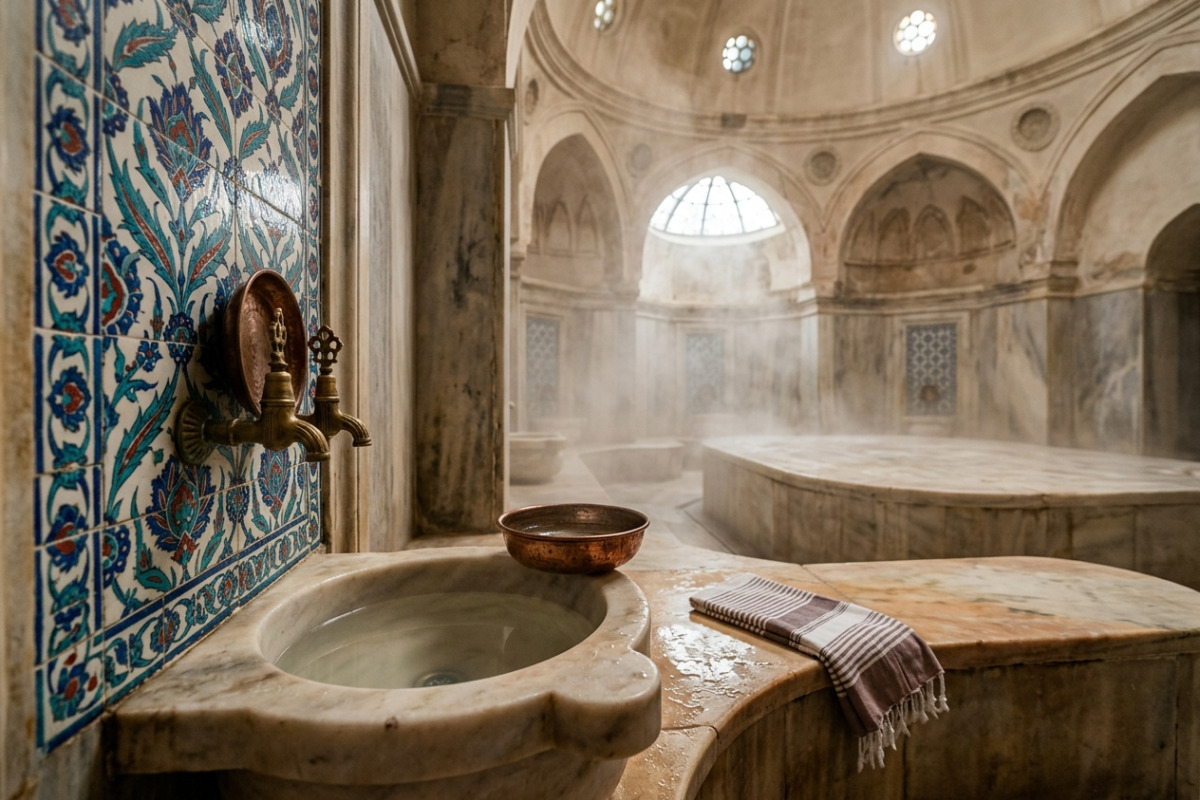
Planning a visit to Istanbul Turkish Baths can feel overwhelming: not all hammams offer the same atmosphere, service quality, or level of tradition. This guide helps you distinguish authentic, restorative hammam experiences from tourist-oriented spa shows and prepares you for a respectful, enjoyable visit.
Why seek an authentic hammam experience?
Traditional hammams are more than steamy rooms and scrubs; they are social and cultural rituals that shaped Ottoman urban life. A genuine hammam visit connects you to centuries-old bathing practices, local rhythms, and an unhurried form of relaxation that modern spas rarely replicate.
Choosing authenticity matters if you want the full sensory and historical context: sympathetic staff, carefully timed treatments, and architecture that enhances the ritual. It also means supporting local custodians of the craft rather than commercialized operations designed solely for quick photo opportunities.
What to expect during a traditional hammam visit
Most traditional hammams follow a recognizable sequence: entry and relaxation in a warm room (camekân), progressive heating in the hot chamber (sıcaklık), an exfoliation (kese) and soap wash (köpük) provided by an attendant (tellak for men or natir for women), followed by rest and slow cooling. Expect polite, efficient service and a focus on ritual rather than speed.
Facilities vary: some historic hammams have separate cubicles, ornate domes, and a central heated marble platform (göbek taşı), while others are simpler neighborhood baths. Towels (peshtemal), slippers, and basic toiletries may be provided, but bring a small waterproof bag for valuables and a tip for the attendant if you’re satisfied.
Practical etiquette: how to act, what to wear, tipping
Respect and modesty are central. Traditional hammams are strictly gender-segregated, either having separate sections for men and women or operating at different hours for each. Mixed sessions are rare and typically found only in modern, tourist-oriented hotels. If you prefer more privacy, some higher-end historic baths offer private washing areas (halvet) for a premium fee.
- What to wear: A peshtemal (light cotton towel) is provided; men typically stay wrapped in it, while women may wear bikini bottoms or stay wrapped. Follow the hammam’s specific guidance.
- Tipping: A tip (10-20%) for the attendant is customary and should be given directly or left at the exit desk depending on the establishment's policy.
- Phone use: Avoid cameras and phones in communal areas out of respect for other guests' privacy.
Communicate preferences clearly: if you want a gentler scrub, say so before the treatment begins. This ensures comfort and prevents misunderstandings in a setting where physical touch is part of the service.
How to pick the right hammam for you
Start by deciding what matters: historical architecture, intensive cleansing rituals, quieter neighborhood ambiance, or a combined spa package. Each hammam has strengths—some are cherished for their marble domes and Ottoman-era tiling, others for expert tellaks who master vigorous scrubs.
Red flags and green flags
Look for green flags like clear pricing, visible working attendants (not just scripted performances), and a steady flow of local patrons. Red flags include aggressive upsells, photographers interrupting experiences, or vague charges after the visit. Local reviews that mention authenticity and repeat visitors are especially helpful.
Booking, prices and avoiding tourist traps
Prices range widely: neighborhood hammams can be inexpensive, while restored historic hammams and private suites command premium rates. Ask whether the price includes the scrub (kese), soap massage (köpük), and access to relaxation areas—some operators list a base entry price but add mandatory treatment fees.
| Type | Typical Price Range | Best for |
|---|---|---|
| Neighborhood hammam | Low (cash-friendly) | Authentic local feel, budget travelers |
| Historic public hammam | Mid-range | Architecture and tradition |
| Restored/higher-end hammam | High (private suites) | Privacy, combined luxury services |
To avoid tourist traps, book directly with the hammam when possible and call to confirm what’s included. If a promoter offers a “special” that feels too good to be true, verify by phone or look for recent guest photos that show real treatments rather than staged scenes.
Health, safety and who should be cautious
Hammams are generally safe for healthy adults, but the heat and vigorous scrubbing can be intense. People with cardiovascular issues, high blood pressure, skin conditions, or pregnancy should consult a medical professional before a deep-heat session or vigorous scrub.
Hygiene standards vary: reputable hammams maintain clean marble and fresh water systems. If you have concerns, choose a hammam with visible cleaning practices and ask how frequently treatment linens and kese mitts are changed.
Summary & next steps
Choosing the right Istanbul Turkish Baths experience comes down to clarifying what you value—history, authenticity, privacy, or relaxation—then matching that priority to a hammam’s character and pricing. Communicate preferences, follow local etiquette, and prefer venues with transparent policies to ensure a rewarding visit.
If you want curated suggestions, check our Istanbul Turkish Baths directory for recommended historic and neighborhood hammams, booking tips, and updated reviews. Book ahead for popular historic baths and go with an open mind: a true hammam is as much about ritual as physical renewal.