
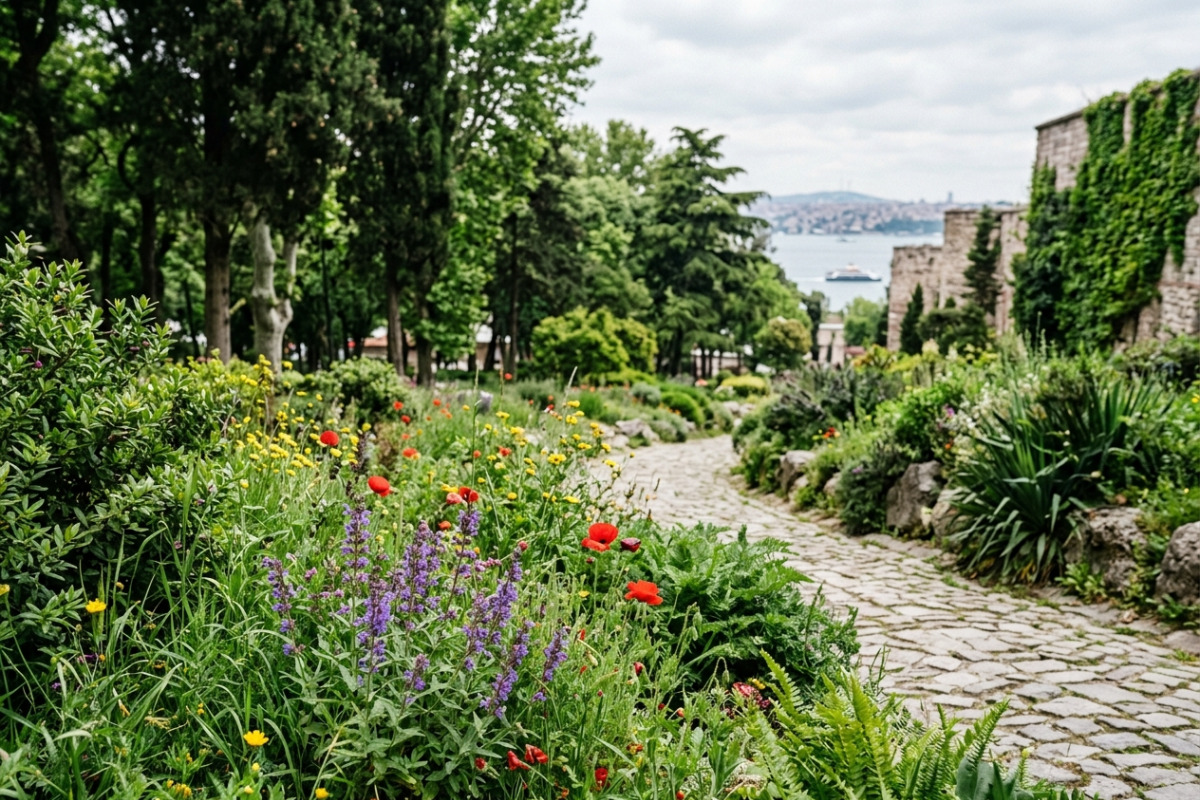
Istanbul native plants offer a different way to experience the city: beyond monuments and waterfronts, the parks reveal layers of Anatolian and Mediterranean flora that change with the seasons. If you want to spot endemic trees, spring bulb carpets or migratory bird–friendly shrubs, learning about Istanbul native plants will make your park visits more meaningful and memorable.
Discovering Istanbul Native Plants in Urban Parks
Urban parks in Istanbul are not just designed landscapes; many preserve fragments of the region's original plant communities. From oak groves on the Princes' Islands to scrub and maquis along the Bosphorus, native species shape habitat structure and support insects and birds you won’t see in ornamental beds.
As you walk, focus on plant form and habitat rather than memorizing Latin names. Native trees like Quercus (oak) and shrubs such as myrtle (Myrtus communis) or laurel (Laurus nobilis) create ecological relationships that invite seasonal surprises—flowering pulses, insect activity and fruiting that attract wildlife. Observing these patterns helps you read the park’s living history.
Where to See Istanbul Native Plants: Top Parks and Habitats
Certain parks and green corridors concentrate native species and are especially rewarding for visitors who want reliable finds. Coastal woodlands, hillside parks and old estate gardens each host distinct assemblages. Choosing a park with naturalistic planting increases your chances of seeing endemic or long-established species.
Below is a concise comparison to help you choose a spot depending on what you want to see:
| Park / Habitat | Native Highlights | Best Season |
|---|---|---|
| Belgrad Forest | Oak groves, sessile oak, hornbeam, wild strawberries | Spring–Autumn |
| Emirgan Grove | Bosphorus hillside flora, wild anemones, Judas trees | Spring (April) & Autumn |
| Princes' Islands | Maquis, stone pine, Mediterranean rockrose, endemic herbs | Late spring–summer |
| Fenerbahçe and Caddebostan shorelines | Salt-tolerant shrubs, coastal grasses, mastic trees | Summer |
How habitat type affects what you see
Woodlands often have layered structure—canopy oaks, understory shrubs and herbaceous groundcover—while coastal parks show halophyte (salt-adapted) species and dune grasses. Note that while Emirgan is famous for tulips, these are cultivated hybrids; for true native spring bulbs, look for Scilla bifolia or Anemone blanda in the shaded areas of the groves.
Seasonal Highlights: What Blooms When
Understanding seasonal rhythm is key to planning. Spring produces the most dramatic displays: bulbs, wildflowers and tree blossoms like the iconic Judas Tree (Cercis siliquastrum). Summer reveals Mediterranean-dry adaptations—sclerophyll leaves and drought-tolerant herbs—while autumn brings fruiting and spectacular seed displays. Winter is quieter but excellent for noticing bark, seed pods and evergreen structure.
Here are seasonal cues to look for:
- Spring (March–May): Wild anemones, cyclamen, and the purple blooms of Judas trees—best for color and pollinator activity.
- Summer (June–August): Aromatic herbs, rockrose (Cistus) and resilient perennials—good for drought-adapted species.
- Autumn (September–November): Arbutus berries, oak acorns and seedheads—great for birdwatching and fruit-eating fauna.
- Winter (December–February): Look for evergreen structure (pines and cypress) and identify deciduous trees by bark and branching patterns.
Practical Tips: ID, Ethics, and Photo-Friendly Spots
Start with a pocket guide or a plant ID app, but rely on habitat cues and leaf/flower shape first. Carry a small notebook to note location, date and habitat—these quick field notes improve your identification accuracy and create a personal record of seasonal change.
Ethics matter: do not pick plants (especially bulbs and rare herbs), avoid trampling undergrowth, and stay on paths to protect seedlings and soil structure. Foraging is generally prohibited in Istanbul’s urban parks and protected forests—always prioritize conservation over sampling.
Photography and accessibility
If you photograph flora, use a shallow depth of field to isolate flowers and a wide angle for habitat context. Early morning light reduces harsh shadows and increases insect activity in your shots. Many parks, like Gülhane or Emirgan, have accessible paths—check park maps online for routes suitable for strollers or mobility aids.
Engage Deeper: Guided Walks, Citizen Science and Conservation
To deepen your experience, join a guided botanical walk or a local biodiversity survey. Park conservancies and environmental NGOs often run seasonal programs that teach native-plant ID, restoration planting and invasive species monitoring. Participating helps you contribute to conservation while learning from local experts.
Citizen science platforms like iNaturalist let you upload sightings and share data with researchers. This not only improves your ID skills but also supports conservation planning in the city. If you’re interested in hands-on stewardship, look for volunteer days organized by groups like TEMA Foundation.
Summary and Plan Your Native-Plant Walk
Exploring Istanbul native plants in parks enriches your visits with seasonal surprises and ecological insight. By choosing habitats, timing visits for seasonal peaks and following ethical practices, you’ll notice more and impact less. Keep a simple field kit: notebook, camera, water and a local plant guide.
Ready to plan a walk? Start with a nearby green space, use the seasonal cues above, and build up to longer excursions like Belgrad Forest or the Princes' Islands. For more park-specific itineraries and current guided-walk schedules, visit our Parks & Gardens section to find upcoming events and recommended routes.