
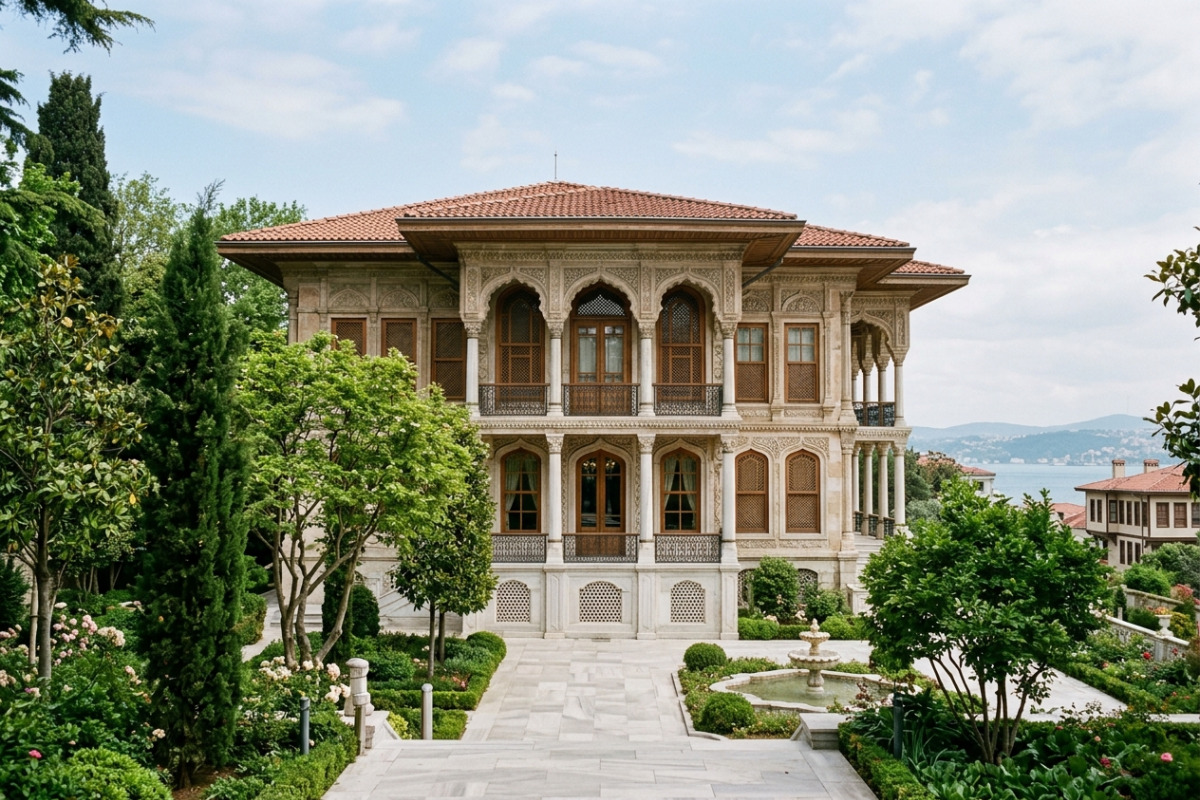
Many visitors come to Istanbul expecting just the famous palaces on the European shore. This Istanbul palaces guide helps you look past the marquee sites and discover smaller, often overlooked royal residences that reveal intimate details of Ottoman court life. If you want quieter rooms, fresher perspectives on architecture, and practical travel advice for palace hopping, read on.
Istanbul palaces guide: How to choose palaces that match your interests
Deciding which palaces to visit depends on whether you prioritize architecture, gardens, photography, or historical stories. Larger palaces like Dolmabahçe Palace and Topkapı Palace present grand state rooms and extensive displays; smaller sites—pavilions and waterfront mansions—offer finely worked interiors and shaded gardens where you feel closer to daily court life.
Start by listing what excites you: opulent interiors, Bosphorus views, or quieter restoration projects. That simple filter will help plan a route that minimizes travel time while maximizing what you actually enjoy seeing. This guide emphasizes palaces and pavilions that pair well with neighborhood walks and short ferry hops.
Top underrated palaces and what makes them special
Beyond the famous names, several palaces reveal unique facets of Ottoman taste and influence. On the Asian shore, Beylerbeyi Palace blends imperial formality with seaside leisure; its mirrored salons and marble terraces photograph beautifully in late afternoon. Khedive's Palace (Hidiv Kasrı) on the eastern Bosphorus shows European influences favored by Egyptian royalty, featuring a striking park and Art Nouveau details.
Closer to the city center, small pavilions such as Küçüksu and Aynalıkavak reward visitors with exquisitely detailed woodwork, tiled fireplaces, and tranquil garden settings. Visiting these sites gives you access to interiors that larger palaces reserve for guided groups, and you often experience less crowded rooms and friendlier on-site staff ready to share anecdotes.
Küçüksu Pavilion
Built as a riverside retreat, Küçüksu Pavilion is compact but richly decorated in the Ottoman Rococo style. Its location beside the Küçüksu creek in the Beykoz district makes it an ideal stop if you are touring the Asian shore or crossing from Üsküdar to Beylerbeyi.
Beylerbeyi Palace
Beylerbeyi combines imperial protocol with the relaxed atmosphere of a summer residence. Note its opulent crystal chandeliers, stained glass, and the terraced gardens that slope gently toward the Bosphorus. It was famously used to host foreign dignitaries, including Empress Eugénie of France.
| Palace | Location | Era/Style | Highlight |
| Küçüksu Pavilion | Asian shore, Beykoz | 19th-century Ottoman Rococo | Intimate interiors & riverside setting |
| Beylerbeyi Palace | Asian shore, Üsküdar | Ottoman-European blend, mid-19th c. | Grand reception halls & terraces |
| Khedive's Palace | Çubuklu, Beykoz | Late 19th-century Art Nouveau/Eclecticism | Lush park & panoramic Bosphorus views |
Practical visiting tips: tickets, timing, and photography
To make the most of palace visits, book tickets via the official National Palaces (Milli Saraylar) website when available and check restoration schedules. Arrive early to avoid mid-day crowds. Note that most of these sites are closed on Mondays.
Important Photography Note: Photography is strictly prohibited inside the rooms of most National Palaces (including Beylerbeyi and Küçüksu) to protect the artifacts. However, you are usually free to take photos in the gardens and of the exterior façades. Khedive's Palace, currently managed as a social facility/restaurant, has more relaxed rules for its public areas.
- Combine transport: Use public ferries (Şehir Hatları) to cross the Bosphorus and reduce travel time between Asian and European palaces.
- National Palaces Pass: Consider buying the specific 'National Palaces Pass' if you plan to visit multiple royal sites, as it offers better value than individual tickets.
- Audio Guides: Most sites provide free audio guides in exchange for an ID deposit; they are essential for understanding the symbolism in the decor.
Tip: Visit palaces in the late afternoon for softer light on façades. While interiors close, the gardens often remain peaceful spots for a rest before heading to a nearby waterfront café.
Planning palace routes: sample half-day and full-day options
Pick a neighborhood and visit two to three sites rather than trying to see every palace in one day. For a relaxed half-day, pair Beylerbeyi Palace with a stroll along the Kuzguncuk neighborhood and a ferry ride to Üsküdar. For a full day, combine Küçüksu Pavilion with a visit to the Anadolu Hisarı fortress and finish with sunset at Khedive's Park (Hidiv Kasrı).
When mapping your route, account for Istanbul's coastal traffic, which can be heavy on weekends. Using the ferry system is the most reliable way to stay on schedule while enjoying the best views of the waterfront mansions (Yalıs).
Summary and next steps
Exploring lesser-known palaces deepens your understanding of Ottoman daily life and architectural taste. Use this Istanbul palaces guide to choose sites that match your interests, plan efficient routes, and follow practical tips to improve your visit. Small pavilions and waterfront residences reward patience with intimate details and calmer viewing conditions.
Ready to plan your route? Discover curated suggestions and official visitor info in our Istanbul Tourist Information palaces section—book tickets, check opening hours, and tailor an itinerary that suits your pace.