
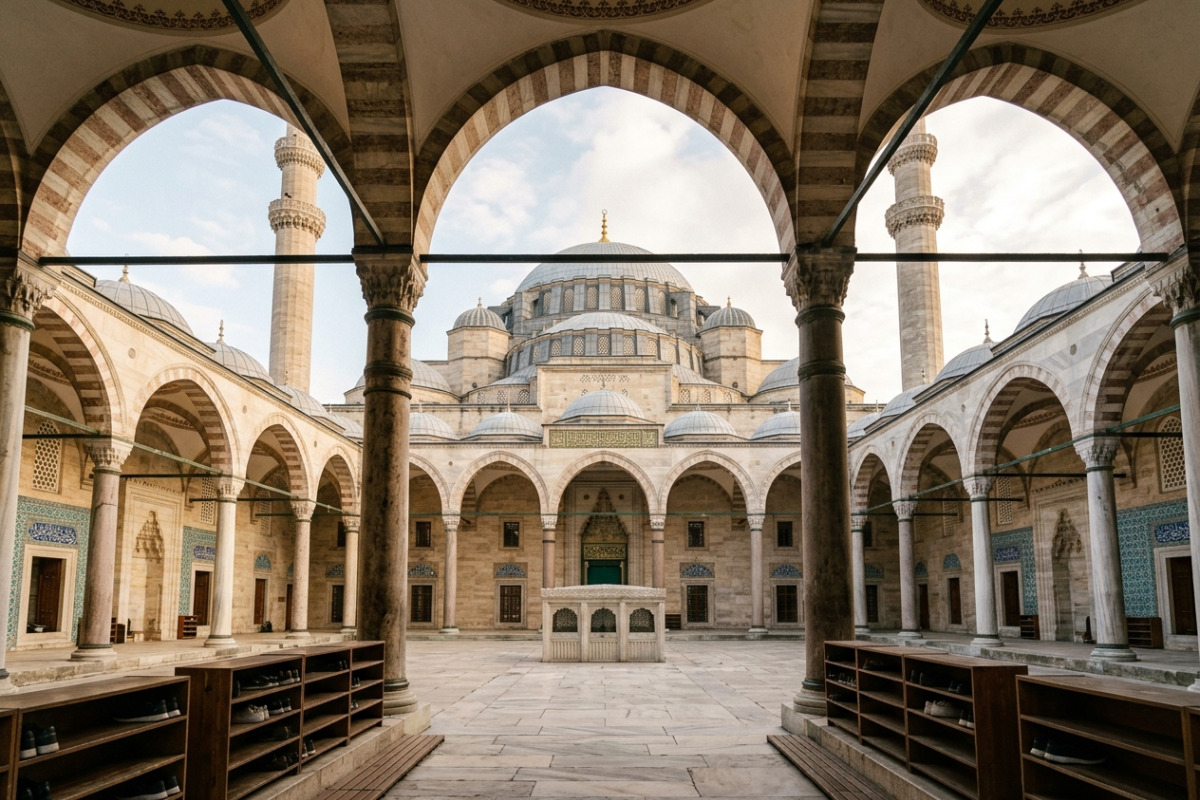
Visiting Istanbul mosques offers a chance to witness living religious spaces, stunning architecture, and community life. If you want to move beyond surface-level sightseeing, this practical guide will help you navigate etiquette, prayer times, photography, and what architectural details to notice when entering a mosque in Istanbul.
Visiting Istanbul mosques: essential etiquette
Respectful behavior is the foundation of any mosque visit. Before you step inside, understand that mosques are primarily places of worship for Muslims, so your actions should prioritize the comfort and rituals of worshippers. Remove shoes where indicated, keep voices low, and avoid blocking entrances.
Clothing expectations are straightforward but important. Men should wear trousers that cover the knees and ensure their shoulders are covered; women are expected to cover shoulders and hair with a scarf or shawl. Many larger mosques like the Blue Mosque provide headscarves and loaner wraps at the entrance, but carrying a lightweight scarf is wise for sudden visits.
Dress code and footwear
Bring a scarf and wear modest, comfortable clothing. Shoes must be removed before entering the prayer area and left in the designated racks or carried in a bag. Note that you will walk on the carpets in your socks or barefoot; slippers or shoe covers are generally not permitted on the prayer rugs. If you have mobility concerns, look for accessible entrances, though be aware that many historic structures still have steps.
Behavior near prayer times
During the five daily prayers, large mosques can fill quickly. If you arrive during a call to prayer, find a respectful spot at the back or in a designated visitor area and remain seated quietly. Avoid taking pictures of worshippers while they pray and turn your phone to silent to prevent interruptions.
When to visit: prayer hours, crowds, and best windows
Knowing the rhythm of daily prayer helps you plan a less disruptive visit. The five obligatory prayers—Fajr (dawn), Dhuhr (midday), Asr (afternoon), Maghrib (sunset), and Isha (evening)—shape mosque activity. Midday and early afternoon can be busiest on weekdays, while early morning (after Fajr) is quietest for contemplative visits.
If you want to experience a mosque’s atmosphere without crowds, aim for the hour after the midday prayer or the late afternoon before Asr. Fridays are special: mosques are closed to visitors during the Friday sermon and prayer (Jumu'ah), typically from late morning until mid-afternoon. Plan to visit sites like Hagia Sophia outside of these hours.
| Prayer | Typical Timeframe | Visitor tip |
|---|---|---|
| Fajr | Dawn | Quiet, contemplative; limited visitor services |
| Dhuhr | Midday | Closed to tourists on Fridays; check local prayer times |
| Asr | Afternoon | Good for photos with softer light |
| Maghrib | Sunset | Atmospheric; may be crowded |
| Isha | Night | Serene but facilities may be closing |
Understanding mosque architecture: what to look for
Learning a few architectural terms will deepen your appreciation of each mosque. Look for the mihrab (a niche indicating the qibla, the direction of Mecca), the minbar (the pulpit for sermons), and the graceful domes that unify Ottoman mosque interiors. Calligraphic panels, Iznik tiles, and geometric patterns often carry theological and historical meanings, especially prominent in the Süleymaniye Mosque.
Notice spatial cues that separate worship and communal functions. Courtyards (avlu) provide transitional space, ablution areas (şadırvan) support ritual cleansing, and women’s galleries or lateral sections reflect historical practices of gendered space. Observing how light filters through clerestory windows will reveal the architect’s intent to create contemplative ambience.
Decorative elements to study
Pay attention to tile panels and inscriptions: Qur'anic verses are often used as decorative art with careful calligraphy. Older mosques may display layers of restorations—different tile styles, repainted script, or replaced marble—each layer telling a chapter of the building’s history. Use a quiet corner to examine these details without disturbing others.
Photography, guided visits, and participating respectfully
Photography rules differ by mosque. Many allow exterior photos freely but restrict interior photography during prayers or in sensitive areas. Always ask at the information desk or follow posted signs. When photographing architectural details, avoid using flash near delicate tiles and refrain from photographing worshippers unless you have clear consent.
Guided tours can enrich your visit, especially when led by knowledgeable local guides who explain symbolism and historical context. Some mosques offer volunteer-led introductions in multiple languages; check noticeboards or inquire at the entrance. If you join a service, follow local cues: stand and sit when the congregation does, and avoid interrupting the sermon.
- Ask before photographing people; seek permission for portraits.
- Keep camera volume off and use silent mode.
- If a guided tour is available, join small groups to minimize disruption.
"A respectful visit to a mosque is an invitation to observe a living tradition—approach with curiosity, humility, and patience."
Practical tips: accessibility, facilities and winter visits
Accessibility varies widely. While major mosques are working to improve access, many historic sites in Istanbul still have significant steps and narrow entrances. If mobility is a concern, it is best to visit during off-peak hours when staff are more available to assist.
Facilities such as restrooms and ablution sinks are common at larger sites. In winter, indoor visits provide warmth but watch for slippery courtyard stonework after rain. Carry water, wear layered clothing, and bring a small bag to store shoes if you prefer not to use public racks.
Summary and next steps
Visiting Istanbul mosques can be one of the most rewarding parts of your trip when approached with respect, timing, and curiosity. Follow basic etiquette, plan around prayer hours, and spend time noticing architectural and decorative details that tell each mosque’s story. For more mosque-specific itineraries and detailed guides on prominent and neighborhood mosques, check the Istanbul mosques collection on our site and bookmark the page for easy reference.
Ready to explore? Pick one mosque to start, arrive with a scarf and quiet curiosity, and let the space reveal its layers at its own pace.